Did You Know?
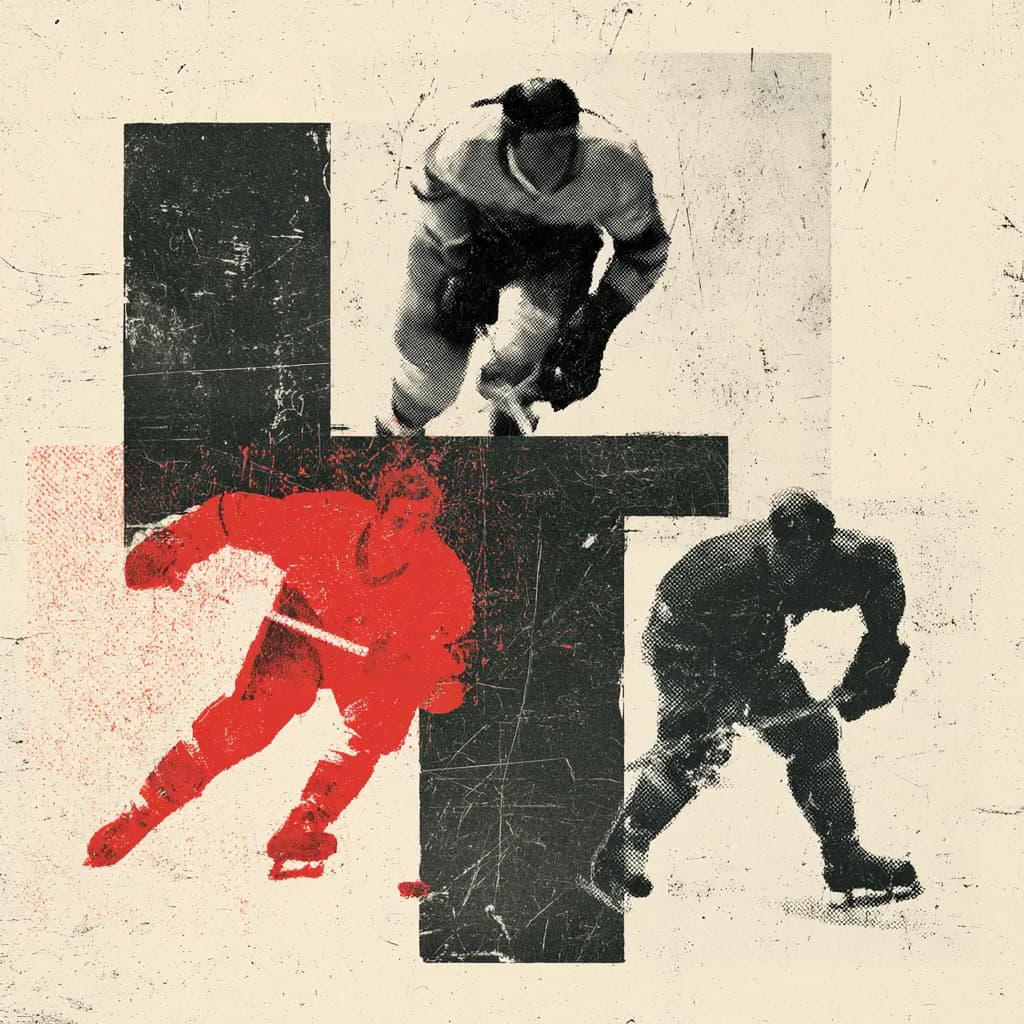
The 1972 Summit Series
An arrogant team of NHL superstars faced a national crisis on the ice, forcing them to find a new identity in the final seconds of a Cold War showdown.
A nation's pride was shattered in just sixty minutes of hockey.
Every goal, every save, carried the weight of the Iron Curtain.
One man's emotional plea unified a team and a country.
Paul Henderson's desperate goal became Canada's immortal moment.
01. The Shock in Montreal
The best players in the world, a team of NHL all-stars, were supposed to walk all over the Soviets. Game 1 at the Montreal Forum was meant to be a coronation. Instead, it was a 7-3 humiliation that sent a shockwave across an entire nation. The disciplined, systematic Soviet Union national ice hockey team had dismantled Team Canada on their own ice, revealing a stunning gap in speed and strategy.
02. More Than Just a Game
This was never just about hockey. The 1972 Summit Series was the Cold War played out on a sheet of ice, a high-stakes proxy battle between two global superpowers and their competing ideologies. For Canada, it was a chance to prove the superiority of its professional game. For the Soviet Union, it was an opportunity to show the world the strength of their state-sponsored "amateur" system. The pressure was immense.
03. A Rallying Cry
After a disastrous Game 4 loss in Vancouver, the Canadian fans booed their own heroes. A visibly emotional Phil Esposito stepped up to the microphone for a post-game interview that would become scripture. He spoke directly to the nation, pouring out his heart, his frustration, and his unwavering belief in his team. That raw, passionate speech transformed the series from a hockey tournament into a national crusade.
04. The Goal Heard Around
It all came down to the final minute of the final game in Moscow. With the series tied and the clock ticking down, Paul Henderson jumped over the boards, found a loose puck, and slid it past Vladislav Tretiak. With just 34 seconds left, Canada had won. It was more than a goal; it was a defining moment of national identity, a story passed down through generations.