Did You Know?
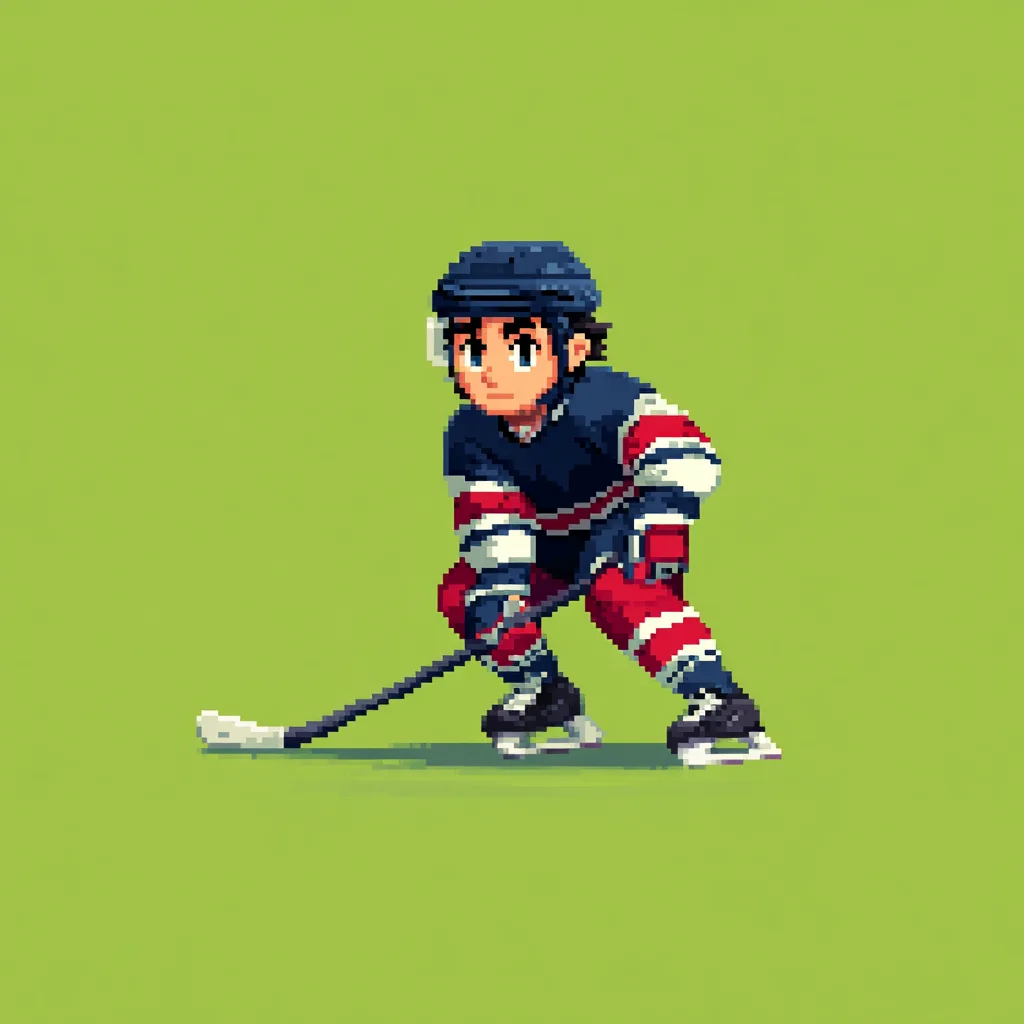
The Soft Stationary Pass
Breaking down the kinetic chain and blade mechanics behind a perfect, tape-to-tape pass from a standstill.
A perfect pass transfers energy from the ice up, not just from the arms out.
Steer with your top hand and support with your bottom hand.
The blade face aims the pass vertically; the follow-through aims it horizontally.
Sweep your weight through the puck instead of hitting at it.
01. The Kinetic Chain
A soft stationary pass is a full-body energy transfer. It begins with your skates, moves through your hips and core, and finishes with your arms and stick. The goal is to cushion the incoming puck and redirect its energy smoothly toward the target.
02. Top Hand As Pivot
Your top hand is the control center. It acts as a pivot, pulling the stick back slightly to absorb impact and guiding the blade through the passing motion. The bottom hand provides stability but should maintain a light, relaxed grip to allow for feel.
03. Blade Face and Follow-Through
The blade face dictates the pass type. Keep it square to the target for a flat pass or open it slightly for a soft saucer pass. Follow through by pointing the blade directly at your target's stick to ensure maximum accuracy.
04. Weight Shift and Timing
Effective passing requires a subtle weight shift from your back leg to your front leg. This creates a sweeping, not a slapping, motion. This fluid transfer of momentum is what gives the pass its "soft" quality and makes it easy for a teammate to receive.